
Lifestyle & Fashion
Wollmatten: The Ultimate Guide to Choosing, Caring, and Styling Wool Mats for Your Home

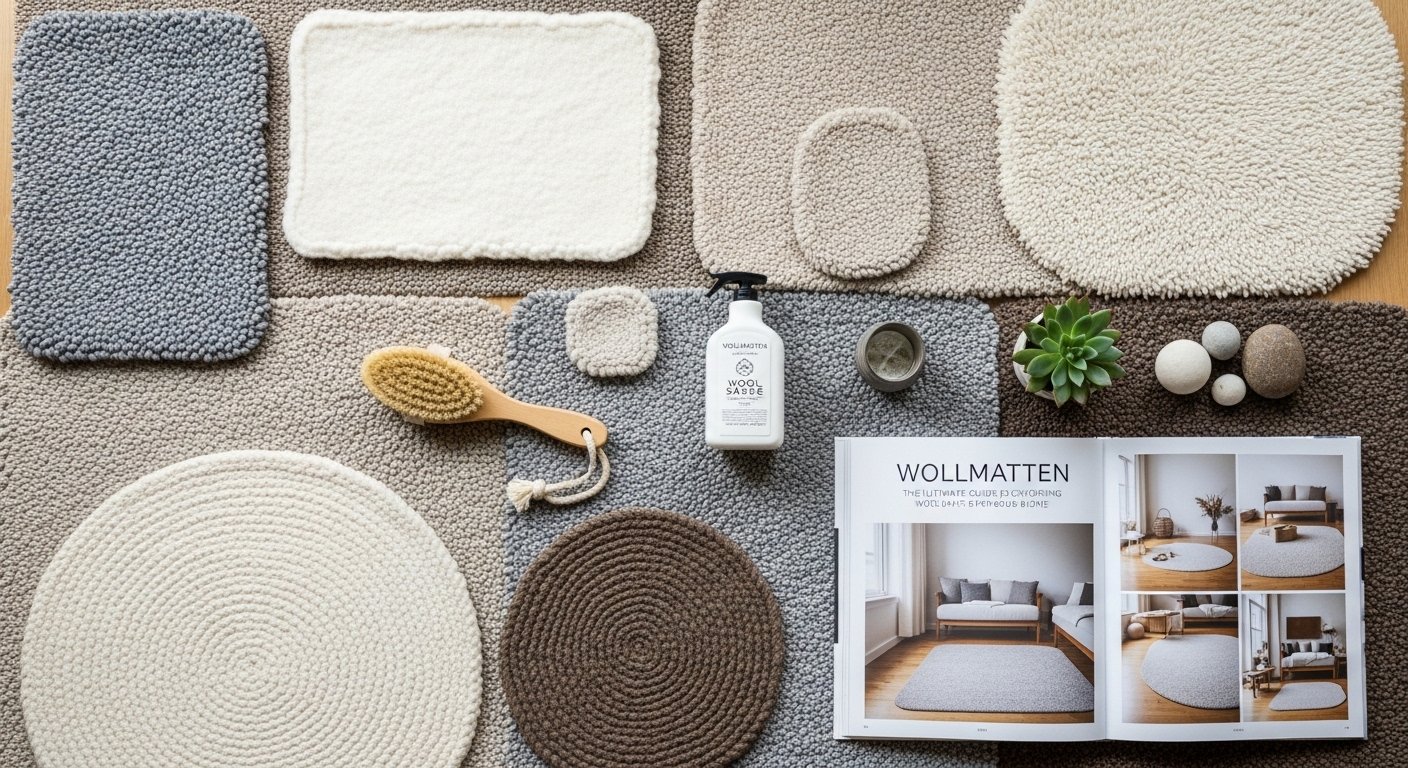
In many homes, choosing the right floor covering feels overwhelming — especially when durability, sustainability, comfort, and design all matter. Homeowners often struggle with floor coverings that wear quickly, trap allergens, or show stains easily. Wollmatten (wool mats) solve these problems by offering a natural, long‑lasting alternative that feels warm underfoot, regulates moisture and temperature, and enhances interior style while being eco‑friendly.
This comprehensive guide will explain everything you need to know about wollmatten — including how to choose the right type, caring tips, interior placement ideas, and how related products such as Wollteppiche, Wollunterlagen, Filzmatten, Schurwollematten, and Wohnmatten aus Wolle fit into your home perfectly.
What Are Wollmatten?
Wollmatten literally means “wool mats,” originating from German words for wool (“Woll”) and mats (“Matten”). These mats are crafted from natural wool fibers, often felted or woven, to create soft, durable floor coverings.
Unlike synthetic rugs and mats, wool mats offer a combination of comfort, natural insulation, moisture control, and eco‑friendly qualities that synthetic materials cannot match.
Wool Mat Types You Should Know
Here are the common wool mat and rug types that homeowners choose:
- Wollteppiche (Wool Carpets/Rugs): Larger wool rugs for living rooms, dining areas, and bedrooms with soft texture and classic appeal.
- Wollunterlagen (Wool Underlays): Thinner wool pads placed under rugs for extra warmth and cushion.
- Filzmatten (Felt Mats): Dense wool felt sheets suitable for both home floor coverings and crafts.
- Schurwollematten (Pure Wool Mats): Mats made from 100% virgin wool — highly durable and luxurious.
- Wohnmatten aus Wolle (Wool Living Mats): Decorative or functional wool mats designed specifically for living spaces.
Why Choose Wool Mats Over Conventional Options?
Natural Comfort and Warmth
Wool’s fibers trap air effectively, creating natural insulation. This results in warmer floors during colder months and cooler surfaces in warmer seasons. Compared to synthetic options, wool mats help regulate indoor temperature more efficiently.
Moisture Regulation and Air Quality
Wool can absorb significant moisture without feeling damp, helping to balance indoor humidity. This feature supports better indoor air quality and reduces the likelihood of mold and mildew.
Durability and Longevity
Wool mats resist wear from foot traffic due to wool’s elastic fibers, which return to shape easily. Properly cared‑for wool mats can last significantly longer than many synthetic alternatives.
Eco‑Friendly and Biodegradable
Wool is a renewable and biodegradable resource. When a wool mat finally reaches the end of its life, it decomposes naturally, reducing landfill waste — a key advantage over petroleum‑based synthetic mats.
How to Choose the Right Wollmatten for Your Home
Selecting the right wool mat enhances both style and functionality. Here are practical tips that help you decide:
1. Know Your Intended Use
Consider where you’ll place the mat. For high‑traffic areas like hallways or living rooms, choose a dense, durable wool rug such as Wollteppiche with heavier pile. In low‑traffic or decorative spaces, lighter Wohnmatten aus Wolle or Filzmatten work best.
2. Fiber Quality and Composition
Look for mats made from 100% natural wool — ideally Schurwolle (pure virgin wool). These provide better moisture control, longer durability, and more even wear.
3. Size and Design
Ensure the mat fits your room’s proportions. Larger areas may need a Wollteppiche that anchors furniture, while smaller mats like Wollunterlagen add comfort near beds or entrances. Patterns and colors should complement your décor.
4. Backing and Thickness
Thick mats provide extra cushioning and insulation, while thin underlays are ideal for layering or protection under a rug. Many wool mats come without synthetic backings to maintain natural breathability.
Caring for Your Wool Mats
To keep your wool mat looking beautiful for years, follow these care tips:
Regular Cleaning
- Vacuum regularly using a soft brush to remove dirt and debris.
- Shake outdoor mats occasionally to dislodge dust.
Spot Cleaning
- Blot spills immediately with a clean cloth.
- Use mild soap and cold water if necessary, avoiding harsh detergents.
Avoiding Machine Wash
- Most wool mats should not be machine‑washed unless the label explicitly says so, as agitation can damage fibers.
Rotation
- Rotate mats periodically to promote even wear and sunlight exposure.
Styling Wollmatten in Your Living Spaces
Wool mats aren’t just functional — they’re stylish too. Here’s how to place them:
Living Rooms
A large Wollteppiche anchors seating areas, giving rooms warmth and texture.
Bedrooms
Soft Wohnmatten aus Wolle beside beds make mornings warmer and cozier.
Entryways
Use durable Filzmatten or wool underlays to trap dirt and moisture at entrances.
Under Furniture
Layer wool mats under coffee tables or chairs to define spaces and protect floors.
FAQs About Wollmatten
Q1: Are wool mats good for homes with pets?
Yes. Wool’s natural resilience and pet‑friendly texture make it suitable for homes with pets. Just clean spills quickly to avoid staining.
Q2: Do wool mats cause allergies?
Contrary to myths, wool traps allergens and dust in its fibers, which are removed during vacuuming. Many find them more comfortable than synthetic counterparts.
Q3: Can wool mats go in kitchens?
Yes — wool mats provide comfort underfoot and absorb some moisture, though you may choose thinner designs for kitchens.
Q4: How long do wool mats last?
With proper care, high‑quality wool mats can last for more than a decade, often outliving many synthetic alternatives.
Q5: Can I dye wool mats to match décor?
Yes, many wool mats are available in dyed colors using safe processes that resist fading.
Conclusion
Wool mats — including wollmatten, Wollteppiche, Wollunterlagen, Filzmatten, Schurwollematten, and Wohnmatten aus Wolle — are among the most versatile, comfortable, and sustainable flooring options available. Their ability to regulate temperature, resist moisture, and elevate interior aesthetics makes them ideal for modern homes focused on comfort and ecological responsibility. By choosing natural wool mats and caring for them properly, you invest not just in décor but in long‑term comfort and environmental well‑being.

Lifestyle & Fashion
Nahttypen: A Complete Guide to Seam Types, Stitching Methods, and Their Uses in Sewing
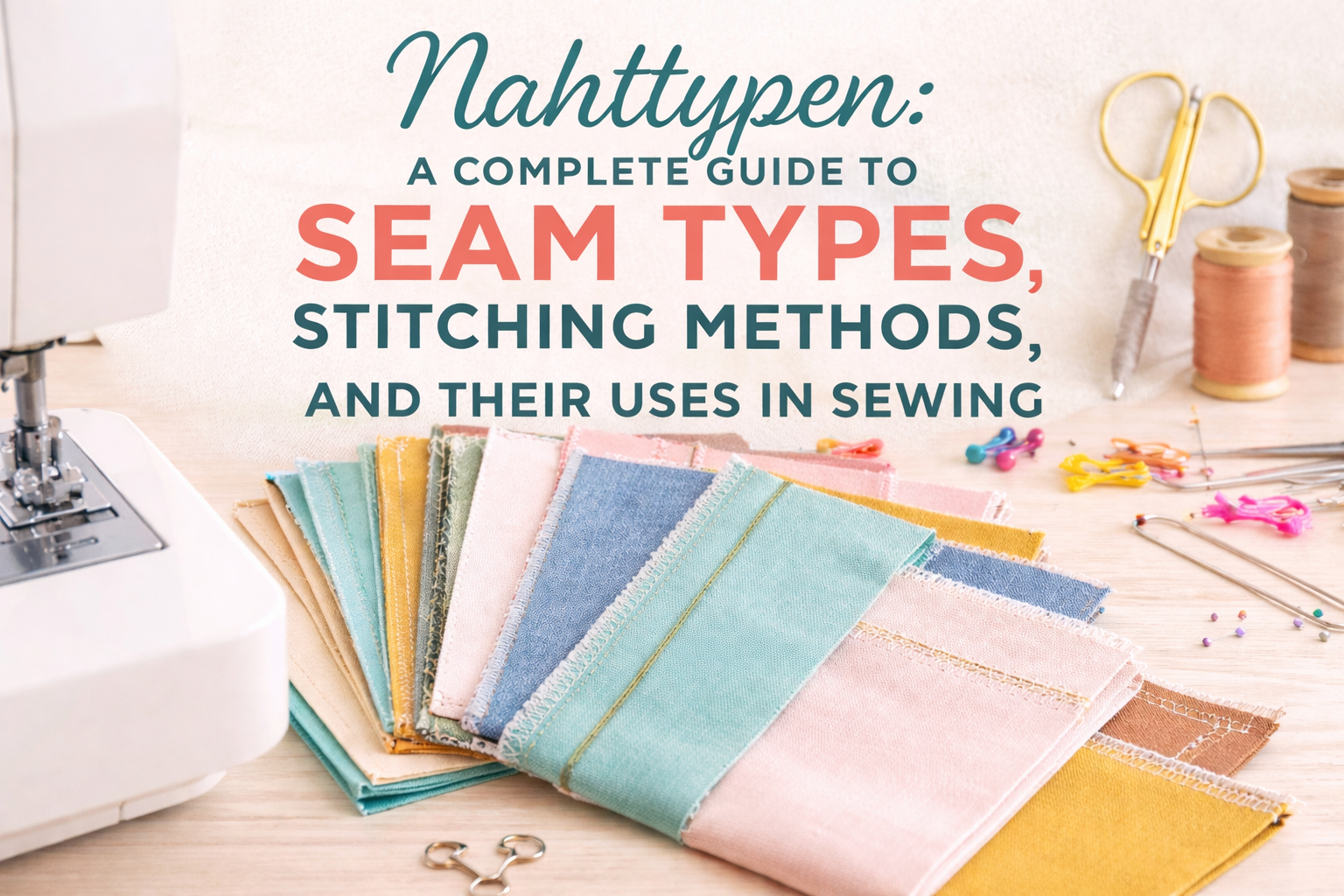
Introduction
If you’ve ever started a sewing project only to end up with weak seams, fraying edges, or garments that fall apart after a few washes, you’re not alone — choosing the wrong nahttypen (seam types) is one of the most common issues sewists face. Whether you’re a beginner struggling with basic garment construction or an intermediate sewist aiming for cleaner, more professional results, understanding the right seam type for each fabric and application is the key to long-lasting and beautiful results.
The mastering nahttypen: the correct seam types, stitching techniques, and garment seam constructions that determine strength, elasticity, finish, and durability in sewing. In this guide, we’ll explain what nahttypen are, when to use each one, and how they influence your sewing outcome. Let’s stitch smarter and sew better.
What Are Nahttypen (Seam Types)?
Nahttypen is the German word for types of seams — the different stitching constructions used to join fabrics together. It encompasses everything from the most basic plain seam to more advanced seam constructions used in fashion, home textiles, and industrial applications.
Every seam type affects your final garment’s strength, appearance, stretch, and performance. Seam choices depend on factors like fabric type, use cases, and desired finish.
Core Seam Types and Their Uses
Below are the most common nahttypen you’ll encounter, listed with descriptions and best uses.
1. Plain Seam (Geradstichnaht)
The plain seam is the foundation of sewing — a simple straight stitch sewing two pieces of fabric right sides together. It’s the most widely used seam in garment construction.
Uses: Everyday clothing, shirts, cotton and linen garments.
Pros: Easy to sew, versatile, works on most woven fabrics.
Cons: Not ideal for stretchy fabrics without finishing.
2. French Seam (Französische Naht)
A French seam encloses raw fabric edges within the seam itself, creating a neat and professional finish. This makes it a favorite for delicate or sheer fabrics.
Uses: Silk, chiffon, lingerie, fine blouses.
Pros: Prevents fraying, elegant finish.
Cons: Slightly more time-intensive.
3. Flat-Felled Seam (Kappnaht)
The flat-felled seam is extremely strong and durable, with raw edges folded inside a flat, double line of stitching. It’s widely used when strength is critical.
Uses: Jeans, workwear, uniforms, heavy fabrics.
Pros: Robust, hides raw edges, professional look.
Cons: Uses more fabric and sewing time.
4. Overlock Seam (Overlocknaht)
Also known as a serged seam, it trims and finishes the fabric edge as it stitches, providing a clean, stretchable construction suited to knit fabrics.
Uses: Knitwear, activewear, T-shirts.
Pros: Prevents fraying, flexible.
Cons: Requires an overlock/serger machine.
5. Zigzag Seam (Zickzacknaht)
This seam uses a zigzag stitch, making it flexible and suitable for knit and stretchy fabrics. It’s also used to finish edges.
Uses: Stretch fabrics, lingerie, finishing edges.
Pros: Elasticity, simple.
Cons: Not as strong as overlock on heavy stress areas.
6. Lapped Seam (Überlappte Naht)
In a lapped seam, one fabric piece overlaps another and is stitched, often used when strength and flatness are required.
Uses: Leather goods, upholstery, heavy garments.
Pros: Strong and flat.
Cons: Slight bulk in some applications.
7. Bound Seam
A bound seam uses bias tape or strips to wrap raw edges for both functional and decorative purposes.
Uses: Unlined jackets, interior finishes.
Pros: Clean finish, decorative.
Cons: Time-consuming.
3. Specialty Seam Types and Decorative Options
Beyond core seam constructions, several nahttypen serve decorative or specialized technical purposes:
1. Double-Stitched Seam
This seam adds extra strength by sewing two parallel rows of stitches, often seen in jeans and heavy wear.
2. Topstitched Seam
Visible stitching on the outside adds both decoration and reinforcement — common on jackets and bags.
3. Flatlock Seam
Lie flat and prevent skin irritation — ideal for sportswear and activewear.
4. How to Match Seam Types to Fabric and Project
Choosing the correct nahttypen is crucial:
| Fabric Type | Recommended Seam Types |
| Woven (cotton, linen) | Plain, French, Flat-Felled |
| Knit/Jersey | Overlock, Zigzag, Flatlock |
| Lightweight (silk, chiffon) | French |
| Heavy (denim, canvas) | Flat-Felled, Lapped |
5. Tips for Stronger Seams and Better Results
1. Adjust Machine Settings
Different fabrics require different stitch lengths and needle types. For example:
- Light fabrics → shorter stitch lengths
- Heavy fabrics → longer stitches and stronger needles
2. Finishing Techniques Matter
Edge finishing like overlocking, binding, or pinking shears can prevent fraying and improve garment life.
3. Practice on Scrap Fabric
Before starting your main project, test seam types on scraps to ensure tension, stitch length, and seam strength are optimal.
FAQs About Nahttypen and Seam Types
Q1: What is the most versatile seam for beginners?
A: The plain seam — it’s simple, works with many fabrics, and is foundational for garment construction.
Q2: What seam should I use for stretchy fabrics without a serger?
A: A zigzag seam allows stretch and prevents fraying when you don’t have an overlocker.
Q3: How do French seams differ from plain seams?
A: French seams enclose raw edges for a cleaner finish, while plain seams leave raw edges inside, often requiring additional finishing.
Q4: Are there industrial seam types for waterproof garments?
A: Yes — some seam techniques use heat sealing or welding for 100% waterproof seams in technical and outdoor textiles.
Q5: What seam is best for denim garments?
A: A flat-felled seam is ideal for denim due to its strength and durability.
Conclusion
Understanding nahttypen — from basic seam types to advanced seam constructions — is essential for sewing success. The right seam affects a garment’s strength, stretch, and finish. Whether you’re sewing everyday clothes or specialized textile projects, mastering seam types empowers you to make garments that are not only functional but professional in appearance. Practice, fabric knowledge, and careful seam matching will take your sewing from basic to outstanding.
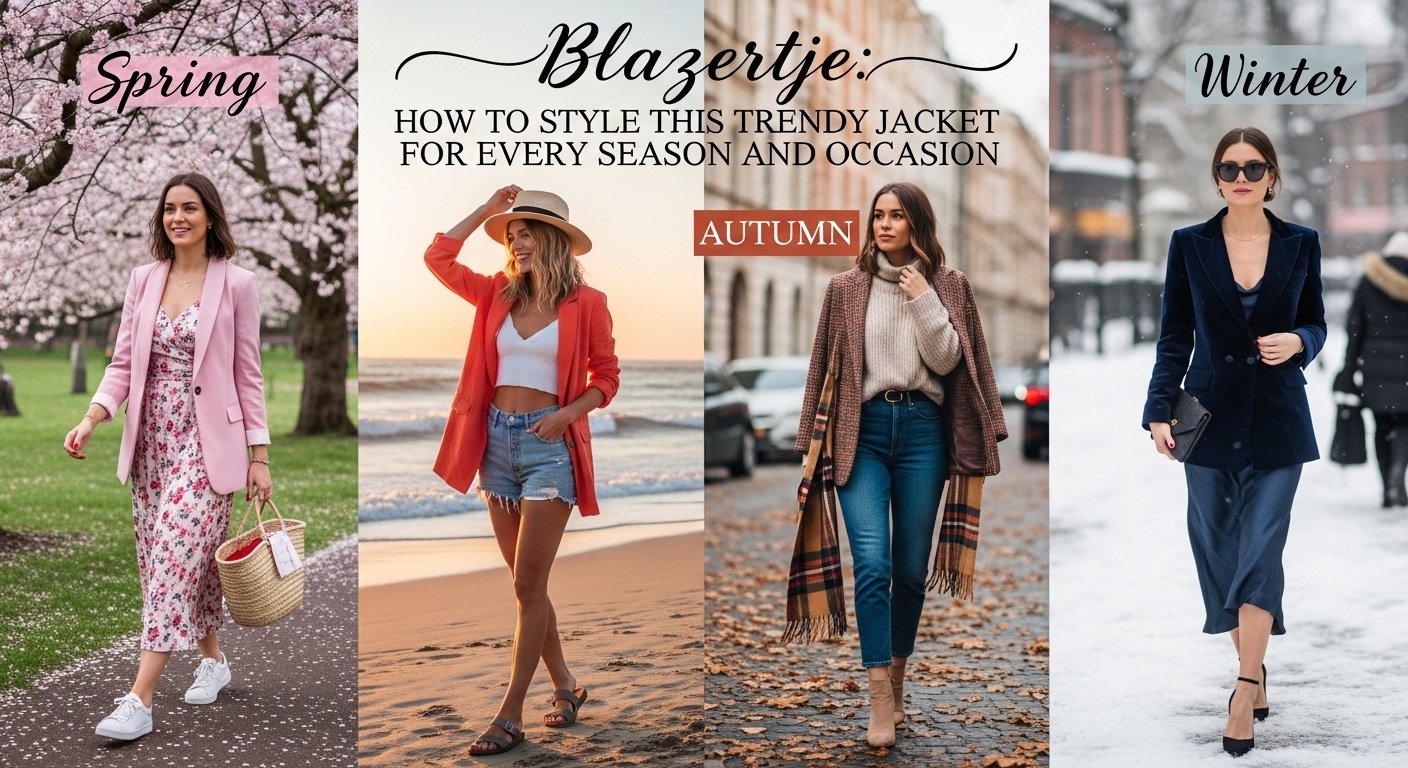
Finding the perfect outfit that balances comfort, elegance, and versatility can feel overwhelming—especially when your wardrobe lacks a piece that transitions effortlessly between casual and formal settings. Many people struggle to style a jacket that works for work meetings, brunches, evenings out, and even seasonal changes. A blazertje. This modern take on the classic blazer jacket offers flexibility, structure, and style in one timeless garment, making it an essential wardrobe investment for every season.
What Is a Blazertje?
A blazertje is a lightweight, tailored version of the traditional blazer jacket. Often designed with softer fabrics and a more fitted silhouette, it combines the sophistication of a tailored jacket with the comfort of everyday wear. Unlike heavy suit jackets, a blazertje can be styled casually or formally, making it a practical fashion staple.
Key characteristics include:
- Structured shoulders
- Defined waistline
- Lightweight or breathable fabric
- Single or double-button closure
- Versatile neutral or seasonal colors
Whether labeled as a casual blazer, fashion blazer, or lightweight blazer, the blazertje remains one of the most adaptable outerwear pieces in modern fashion.
Why the Blazertje Is a Wardrobe Essential
Fashion experts consistently emphasize capsule wardrobe pieces that maximize outfit combinations. The blazertje stands out because it:
- Elevates simple outfits instantly
- Works across seasons
- Fits both office and casual settings
- Pairs well with dresses, jeans, trousers, and skirts
Its structured tailoring creates a polished look, while its lighter construction makes it less rigid than traditional suit jackets.
How to Style a Blazertje for Spring
Spring calls for breathable layers and fresh colors. A lightweight blazer in pastel tones or soft neutrals works beautifully.
Styling ideas:
- Pair a beige blazertje with a white t-shirt and high-waisted jeans
- Layer over a floral midi dress
- Combine with ankle-length trousers and loafers
Opt for fabrics like cotton blends or linen to stay comfortable while maintaining structure.
Summer Outfit Ideas with a Lightweight Blazer
Many believe blazers are too warm for summer—but a properly styled blazertje proves otherwise.
Tips for summer styling:
- Choose linen or lightweight cotton fabrics
- Go for sleeveless or rolled-up sleeve styles
- Pair with tailored shorts and a tank top
- Add minimal accessories for a clean, breathable look
A fashion blazer in light shades like ivory or sky blue complements summer wardrobes effortlessly.
Fall Fashion: Layering with a Casual Blazer
Autumn is the perfect season to experiment with layering. A casual blazer adds depth and warmth without bulk.
Try these combinations:
- Blazertje over a turtleneck sweater
- Layer with skinny jeans and ankle boots
- Add a scarf for texture
Earth tones like camel, olive, and burgundy dominate fall fashion, making them ideal choices for a tailored jacket.
Winter Styling: Making a Tailored Jacket Work in Cold Weather
Even in winter, a blazertje remains useful when layered correctly.
- Wear it under a wool coat
- Pair with knit sweaters
- Choose thicker materials like wool blends
- Opt for darker shades such as navy or charcoal
Layering smartly ensures warmth while keeping your silhouette sharp and refined.
Casual vs. Formal: Dressing the Blazertje Up or Down
One of the strongest advantages of a blazertje is versatility.
Casual Look
- Blazer jacket + graphic tee
- Distressed jeans
- Sneakers
Smart Casual
- Casual blazer + blouse
- Slim-fit trousers
- Loafers or heels
Formal Look
- Tailored jacket + structured trousers
- Silk blouse
- Classic pumps
Small changes in accessories, footwear, and fabric choice completely transform the outfit.
Choosing the Right Fit and Fabric
Fit determines whether a blazertje looks polished or awkward.
Checklist for perfect fit:
- Shoulders align with your natural shoulder line
- Sleeves end at wrist bone
- Waistline enhances shape without pulling
- Comfortable arm movement
Popular fabrics:
- Linen (summer)
- Cotton blends (spring)
- Wool blends (winter)
- Polyester blends (wrinkle-resistant option)
Investing in quality tailoring enhances durability and appearance.
Trending Colors and Patterns
Modern fashion blazers go beyond black and navy.
Trending options include:
- Soft pastel tones
- Checkered patterns
- Oversized neutral shades
- Minimalist monochrome looks
An oversized blazertje creates a contemporary street-style aesthetic, while fitted versions maintain classic elegance.
Accessorizing Your Blazertje
Accessories refine the final look.
- Statement belts to define waist
- Layered necklaces for depth
- Structured handbags for polish
- Minimal sneakers for a relaxed vibe
Avoid over-accessorizing—let the tailored jacket remain the focal point.
Common Styling Mistakes to Avoid
Even versatile pieces can be misused.
- Choosing the wrong size (too tight or too oversized)
- Pairing heavy fabrics in hot weather
- Ignoring color coordination
- Over-layering in warmer seasons
Balance is key. The blazertje should enhance your outfit—not overpower it.
How to Build a Capsule Wardrobe Around a Blazertje
If you’re building a minimalist wardrobe, start with:
- One neutral blazer jacket (black or beige)
- One statement fashion blazer
- Basic tops (white, black, nude)
- Two pairs of tailored trousers
- Dark denim jeans
With just these essentials, you can create dozens of outfit combinations for multiple occasions.
FAQs
1. What makes a blazertje different from a regular blazer?
A blazertje is usually lighter, more fitted, and styled for everyday versatility rather than strictly formal wear.
2. Can I wear a blazertje casually?
Yes. Pair it with jeans, sneakers, or a simple t-shirt for a relaxed yet polished look.
3. Is a lightweight blazer suitable for summer?
Absolutely. Choose breathable fabrics like linen or cotton to stay cool.
4. How should a tailored jacket fit?
It should align with your shoulders, define your waist slightly, and allow comfortable movement.
5. What colors are best for beginners?
Neutral shades like black, navy, beige, and gray are safest and most versatile.
Conclusion
A blazertje is more than just a blazer jacket—it’s a transformative wardrobe essential that adapts to every season and occasion. From summer brunches to winter layering, from casual outings to formal meetings, this lightweight blazer provides structure without sacrificing comfort. By choosing the right fit, fabric, and styling approach, you can unlock endless outfit possibilities. Investing in a well-tailored jacket ensures long-term versatility, making it one of the smartest fashion decisions you can make.

Internet Chicks: The Rise, Trends, and Influence of Online Content Creators

Delta Flight DL275 Diverted to LAX: Causes, Impact, and Passenger Updates

FintechZoom.com: Your Ultimate Guide to the Latest Fintech News, Trends, and Insights

Social Media Silent Scrollers Traits: Understanding the Hidden Audience Behind Every Post

BMWX4 Review 2026: Features, Luxury, and Performance You Need to Know
Wollmatten: The Ultimate Guide to Choosing, Caring, and Styling Wool Mats for Your Home
-
Social Media2 months ago
Social Media Silent Scrollers Traits: Understanding the Hidden Audience Behind Every Post
-
Blog2 months ago
BMWX4 Review 2026: Features, Luxury, and Performance You Need to Know
-
 Health2 months ago
Delta Fitness Authority: Your Ultimate Guide to Strength, Performance, and Total Body Transformation
-
 Celebrities2 months ago
Elizabeth Huberdeau: The Untold Story of John Cena’s Former Wife and Her Life Beyond the Spotlight
-
Lifestyle & Fashion2 months ago
Blazertje: How to Style This Trendy Jacket for Every Season and Occasion
-
 Technology2 months ago
Chromtex: Exploring Innovative Solutions in Textiles and Industrial Applications
-
 Digital Marketing2 months ago
Your Topics Multiple Stories: How to Transform Ideas into Engaging Content
-
 Law2 months ago
Breaking Down Decreto Supremo 160: Key Points and Implications