
Business
Wisconsin Business Entity Search: How to Find and Verify Companies in the State


Searching for accurate business information in Wisconsin can be confusing, especially if you’re trying to confirm whether a company is legitimate or active. Many entrepreneurs, investors, and researchers struggle with how to access credible business registry data, corporate records, and entity status information. Thankfully, Wisconsin offers a structured way to search official records and verify businesses using its state‑maintained databases. In this guide, we’ll walk you through the problem and solution right away — so you can confidently conduct a Wisconsin business entity search and get reliable information when you need it most.
What Is a Wisconsin Business Entity Search?
A business entity search in Wisconsin is a way to look up companies, corporations, limited liability companies (LLCs), partnerships, and other registered entities that operate within the state. This search reveals information such as:
- Entity name and type
- Registration status (active, dissolved, etc.)
- Registered agent and office address
- Entity ID number and filing history
Traditionally, this process is performed through the Wisconsin Department of Financial Institutions’ (DFI) Corporate Records Search portal — the official source of business data in the state.
Why You Might Need a Wisconsin Company Lookup
Understanding how to conduct a proper Wisconsin company lookup is essential for many reasons, including:
- Name Availability Checks: If you plan to start a business, you need to make sure the name isn’t already taken in Wisconsin’s registry.
- Due Diligence: Investors, partners, or clients often want to validate a company’s legal existence.
- Compliance Purposes: Businesses may use the search to stay compliant with state regulations and verify that annual filings are up to date.
- Legal or Financial Transactions: Lawyers and accountants may verify entity details before signing contracts or agreements.
Without a clear understanding of how to perform this search, you risk using incorrect, outdated, or incomplete information — often leading to business mistakes, compliance issues, or even fraud.
Step‑by‑Step Guide to the Wisconsin Business Registry Search
Performing a Wisconsin business registry search is straightforward when you follow the official process:
1. Access the Wisconsin Entity Search Tool
Visit the Wisconsin Department of Financial Institutions’ online Corporate Records Search page for business searches.
2. Enter Your Search Criteria
You can search using various fields, such as:
- Business name (partial or full)
- Registered agent name
- Entity status (active vs. dissolved)
- Type of entity (LLC, corporation, etc.)
- Registration date range
This advanced filtering ensures you get results that are most relevant to your needs.
3. Review the Search Results
After submitting the search query, you’ll see a list of matching entities. The results typically include:
- Entity name and type
- Registered effective date
- Status (active, delinquent, etc.)
- Entity ID number
Click on any entity name to view more detailed information.
4. Access Detailed Business Information
Once inside a specific profile, you can find:
- Registered agent and office address
- Filing history
- Annual report records
- Status changes and amendments
This is key data for validation and compliance purposes.
Understanding Wisconsin Corporate Records Search
When doing a Wisconsin corporate records search, you gain access to state‑maintained data about companies. This includes practical details such as:
- Whether a business is active or has been dissolved
- The legal status of the entity
- Its official registered office
- The name of the registered agent
This official data is crucial for anyone performing due diligence or verifying the legitimacy of a business.
Additional Tools and Resources
While the primary search happens through the Department of Financial Institutions, there are additional tools and portals you may use for related information:
- One Stop Business Portal: Allows business owners to manage filings and annual reports across multiple state agencies.
- License and Agent Lookups: Some professions require licensing; separate state lookup tools may confirm insurance agents, contractors, etc.
Combining these tools can give you a comprehensive picture of a company’s legal footprint in Wisconsin.
Common Mistakes to Avoid
When conducting a Wisconsin business database lookup, be aware of some common pitfalls:
- Using unofficial websites: Not all online tools provide accurate or updated data — always default to state portals.
- Assuming public access to all information: Detailed financials and internal ownership data may not be publicly available.
- Ignoring entity status: A company showing “delinquent” or “in bad standing” means it has failed to meet state requirements.
Wisconsin Business Information Search vs Other Searches
Here’s how different types of searches compare:
| Search Type | Purpose | Example Use Case |
| Wisconsin business information search | General lookup of basic company data | Customer verifying vendor legitimacy |
| Wisconsin business registry search | Checks official registration records | Entrepreneur checking name availability |
| Wisconsin corporate records search | Detailed corporate records review | Lawyer reviewing entity status |
| Wisconsin company lookup | Quick name & status check | Investor researching startup |
| Wisconsin business database lookup | Broader aggregated search | Researcher gathering data across multiple entities |
Each of these has a slightly different focus, but all rely on Wisconsin’s official records database.
How to Use Results Effectively
- For compliance: Use the entity’s registered address and status to fulfill legal requirements.
- For verification: Confirm the name and status to assess legitimacy before working with any business.
- For expansion: Use entity lookup results when expanding into Wisconsin from another state.
Accuracy matters — and relying on the official registry ensures you aren’t misled by outdated or false information.
Conclusion
Conducting a Wisconsin business entity search helps you confidently find, verify, and understand registered companies in the state. Whether you’re checking business information, validating a partner, or filing your own business, using the official Wisconsin Department of Financial Institutions search tool gives you access to reliable and up‑to‑date corporate data. Make sure you use the right search criteria, verify the details closely, and avoid relying on unverified sources. With these steps, your research will be thorough, accurate, and actionable — giving you the clarity you need for successful business decisions in Wisconsin.
FAQs About Wisconsin Business Entity Search
Q: What is the official site for Wisconsin business entity search?
A: The Wisconsin Department of Financial Institutions’ Corporate Records Search portal offers free access to registered business data.
Q: Can anyone perform a Wisconsin business lookup?
A: Yes — most basic entity information is public and accessible to anyone through the state’s online search tool.
Q: Does the registry show ownership details?
A: The registry shows registered agents and some leadership info but may not list full ownership details for private companies.
Q: Is there a cost to search?
A: Searching the database is free, but ordering certified documents usually involves a fee.
Q: What if I can’t find a business?
A: If the entity isn’t registered with the Wisconsin DFI, it may not operate legally in the state — or it could be registered under a different name or entity type.


Introduction
In today’s rapidly changing business world, many organizations struggle with outdated human resource systems that cause inefficiencies, poor employee engagement, and compliance risks. As companies grow — especially in dynamic markets — traditional spreadsheets and manual processes can’t keep up with modern workforce needs. This results in HR (TheHRWP) teams spending too much time on repetitive tasks instead of strategic planning, which ultimately impacts productivity and workplace culture.
That’s where thehrwp comes in — a comprehensive HR Workplace Portal and Human Resources Web Platform designed to centralize HR operations, modernize policies, and improve both employee and employer experiences. By offering tools that automate processes, enhance decision-making, and support career insights, thehrwp helps transform HR from a reactive administrative function into a proactive strategic partner.
What Is thehrwp and Why It Matters
Thehrwp is more than just software — it’s an HR Management Hub that integrates every aspect of HR operations into a unified system. This modern Workplace HR Network connects employee data, compliance tracking, performance insights, and everyday HR tasks so that teams can operate efficiently and with clarity.
Unlike siloed tools or manual processes, thehrwp consolidates:
- Employee records and analytics
- Attendance and leave tracking
- Payroll and benefits management
- Performance reviews and feedback
- Policy documentation and compliance tools
This makes it ideal for businesses ranging from small startups to larger enterprises that need scalability and real-time workforce insights.
Core Features of thehrwp Platform
Centralized HR Dashboard
A unified dashboard gives HR professionals at-a-glance access to key metrics and employee information — all without toggling between multiple systems. This central view supports faster decisions and better people strategies.
Employee Self-Service Portal
Employees can log in to update personal details, request time off, view payslips, or access company policies — empowering them and reducing repetitive help-desk tasks for HR.
Automated Recruitment & Onboarding
TheHRWP streamlines hiring with tools for job postings, applicant tracking, automated resume sorting, and structured onboarding checklists, helping ensure a smooth start for new employees.
Performance Management Tools
Modern performance modules support continuous feedback, goal tracking, 360-degree evaluations, and analytics — enabling managers to foster growth and align employee goals with business strategy.
Compliance and Policy Management
Built-in tools help HR teams keep up with labor regulations and internal policy updates while maintaining a centralized repository for all documentation. This reduces risk and ensures consistency across departments.
Why Organizations Need a Modern HR Solution
1. Traditional HR Is No Longer Enough
Manual HR processes, spreadsheets, and siloed data hamper visibility and efficiency. Modern organizations need systems that automate repetitive tasks and deliver actionable insights.
2. Better Employee Experience
With tools like self-service portals, real-time dashboards, and transparent policies, employees feel more empowered, which boosts satisfaction and retention.
3. Strategic Decision Making
Consolidated workforce data allows leadership to spot trends, identify skill gaps, and plan proactively for future talent needs. This shifts HR from administrative to strategic.
4. Compliance and Risk Management
Built-in compliance tracking and centralized documentation help organizations stay audit-ready and aligned with changing labor laws.
How thehrwp Improves Every HR Function
Recruitment and Talent Acquisition
By providing a structured Applicant Tracking System (ATS), thehrwp reduces time spent sorting candidates — leading to better hires and smoother coordination between hiring teams.
Performance and Development
Continuous feedback loops and goal-tracking tools inspire growth, enhance transparency, and foster high performance across teams.
Payroll & Benefits
Automating payroll and integrating benefits management ensures accuracy while freeing HR teams from manual calculations and error-prone procedures.
Analytics & Reporting
Whether it’s workforce trends, attendance patterns, or performance gaps, real-time analytics dashboards enable smarter decisions and future planning.
Key Benefits of Using thehrwp
| Benefit | What It Means |
| Efficiency | Automates manual tasks so HR can focus on strategy. |
| Employee Empowerment | Self-service tools improve engagement and satisfaction. |
| Compliance Confidence | Built-in regulation tracking reduces legal risks. |
| Growth & Scalability | Works for organizations of any size. |
| Data-Driven Decisions | Real-time insights help guide leadership strategy. |
These benefits show why thehrwp is considered a pivotal part of modern HR operations compared to traditional tools.
Comparing Traditional HR vs. Modern HR Platforms
Traditional HR
- Manual data entry
- Separate tools for each HR function
- Limited analytics
- High administrative burden
Modern HR Platforms Like thehrwp
- Centralized dashboards with real-time data
- Automated workflows for everyday tasks
- Predictive analytics and insights
- Enhanced employee experience
With this shift, HR becomes more strategic and less reactive.
How thehrwp Supports Career Growth
Thehrwp also functions as an HR Policy & Career Guide by offering learning modules, professional development tools, and performance insights that help employees grow within the organization. This proactive career support encourages retention and aligns employee aspirations with company goals.
Real-World HR Challenges and How thehrwp Solves Them
| Challenge | How thehrwp Helps |
| Inconsistent policy updates | Central document management |
| Slow recruitment cycles | Automated ATS module |
| High administrative load | Workflow automation |
| Lack of employee visibility | Self-service portal & dashboards |
| Compliance risks | Integrated compliance tracking |
These solutions show how thehrwp operates as an all-encompassing Human Resources Web Platform that reduces complexity and improves outcomes.
FAQs (Frequently Asked Questions)
1. What is thehrwp?
Thehrwp is a comprehensive HR platform that centralizes HR processes, automates tasks, and improves workplace operations for modern organizations.
2. Is it suitable for small businesses or large enterprises?
Yes — it scales effectively from startups to large organizations, offering customizable modules for different needs.
3. Can employees access their information directly?
Yes — thehrwp provides a self-service portal where employees can view payslips, request leaves, and update personal data.
4. Does thehrwp help with compliance?
Absolutely — it includes compliance tracking and policy documentation tools that help organizations stay aligned with labor laws.
5. How does it enhance performance management?
The platform supports performance tracking, continuous feedback, and measurable goal-setting for better employee development.
Conclusion
TheHRWP represents the future of human resource management: a centralized, automated, and employee-centered HR Workplace Portal that elevates the role of HR from administrative to strategic. For modern organizations seeking efficiency, data-driven decision-making, and better employee experiences, this HR Management Hub is more than a tool — it’s a competitive advantage.
With its comprehensive suite of features, scalability, and ability to adapt to evolving workplace needs, thehrwp is not just software — it’s an investment in people, performance, and growth.

In today’s competitive property market, investors, businesses, and everyday buyers face challenges like inconsistent pricing data, unclear listings, and limited access to transparent market insights — issues that can lead to poor decisions or missed opportunities. sofoximmo, positioned as a modern Commercial real estate platform, aims to solve these pitfalls by offering a centralized resource that blends professional guidance with data-driven insights and property information. Whether you’re exploring Business property marketplace options or looking for Real estate investment services, Sofoximmo helps bridge information gaps, giving users clearer direction and smarter choices from search to transaction.
What Is Sofoximmo? An Overview
Sofoximmo is a real estate brand and solution that combines digital tools, traditional agency services, and educational resources to support buyers, sellers, landlords, and investors. It goes beyond what one might expect from a simple listing site by integrating both human expertise and technology to enhance property decisions.
- It operates as a licensed real estate agency in Belgium, serving local markets with personalized property services.
- The platform leverages digital features like market analytics and listing enhancements to simplify buying, selling, and investing processes.
- It offers tools and resources aimed at both novices and seasoned professionals, covering everything from property search to investment forecasting.
Why Sofoximmo Matters for Investors and Businesses
In the modern real estate landscape, basic property ads are no longer enough. Buyers and investors need deeper insights — such as dynamic pricing, neighborhood trends, and Investment property listings with reliable data to back decisions. Sofoximmo is designed to respond to this need by providing more than traditional listings: it integrates contextual insights and real-world support to help you make informed choices.
- Data-Driven Valuations: Offers up-to-date pricing models that reflect real market conditions.
- Enhanced Listing Tools: High-quality visuals and professional presentations help properties stand out to buyers and investors.
- Tailored Advisory: Available support for interpreting analytics, securing financing, and understanding legal requirements.
Key Features of Sofoximmo
1. Advanced Market Analytics
Unlike basic portals, Sofoximmo aggregates verified data, offering up-to-date market indicators, pricing trends, and predictive insights — tools that empower strategic investment planning. This feature aligns with the needs of professionals seeking precise performance forecasts and risk assessments.
2. Professional Guidance & Support
Clients receive expert support from licensed agents who help navigate negotiations, legal compliance, and detailed property examinations — especially crucial in Corporate real estate solutions and complex deals.
3. Digital Listing Enhancements
The platform incorporates features like HDR photography, virtual tours, and 2D/3D floor plans to enrich property exposure and attract serious buyers and investors.
4. Tools for All User Types
Whether you’re a first-time buyer, experienced investor, or commercial enterprise, Sofoximmo caters to various needs — from basic educational resources to professional service packages and advanced insights.
How Sofoximmo Supports Business Real Estate Deals
For companies seeking commercial properties, Sofoximmo presents a structured environment where relevant listings are paired with strategic intelligence — a model similar to established platforms like LoopNet, which is used widely in the commercial space.
- Streamlined Search Experience: Users can filter and explore listings that match specific business criteria.
- Strategic Property Advice: Integrated tools help analyze potential returns and suitability for long-term business goals.
- Support in Transactions: Advisory services reduce friction and risk during buying or leasing processes.
Benefits of Using Sofoximmo for Investment
1. Better Decision Making
By providing Real estate investment services backed by analytics, the platform reduces guesswork and allows investors to compare opportunities with confidence.
2. Centralized Resource for Property Needs
From listing exposure to expert consultation and post-purchase support, Sofoximmo offers an integrated experience that matches the expectations of modern real estate engagements.
3. Tailored for Diverse Goals
Whether seeking rental income, portfolio diversification, or corporate expansion, users can leverage tools that scale with their investment ambitions.
Sofoximmo Compared to Traditional Platforms
| Feature | Sofoximmo | Traditional Platforms |
| Dynamic Valuations | Yes | No / Limited |
| Market Analytics | Comprehensive | Basic |
| Support Services | Expert Advisory | Varies |
| Listing Enhancements | Professional Tools | Standard Photos/Text |
Challenges and Considerations
While Sofoximmo offers many advantages, users should remain cautious:
- Always verify property details independently, especially if listings originate from third parties.
- Look for legal compliance and transparent documentation before finalizing investment decisions.
- Understand that some online narratives may exaggerate platform capabilities versus real-world services.
FAQs
1. Is Sofoximmo a marketplace for commercial real estate?
Sofoximmo blends listing exposure with professional services and market insights, making it more than a basic marketplace but a comprehensive platform tailored for detailed property engagement.
2. Can beginners use Sofoximmo effectively?
Yes — the platform provides educational resources, guides, and tools designed to help users understand real estate fundamentals and make informed decisions.
3. Does Sofoximmo support property investment analysis?
Sofoximmo integrates analytics and dynamic data to support investment planning, which is particularly helpful for evaluating returns and market trends.
4. Are all listings on Sofoximmo directly sold by the platform?
Not necessarily; the platform often connects users with sellers or agents, so independent verification of listings is recommended.
5. What regions does Sofoximmo serve?
The platform is known to operate primarily in Belgian markets, though digital tools and services may extend beyond local boundaries depending on partnerships and listings.
Conclusion
Sofoximmo offers a modern, multi-faceted approach to real estate that meets the needs of business investors, property professionals, and individual buyers alike. By combining technology with expert insights and detailed property tools, it transforms conventional property searching into a data-empowered experience. Whether you’re exploring commercial opportunities, evaluating Investment property listings, or seeking reliable Real estate investment services, Sofoximmo presents a compelling alternative in today’s property landscape — one built on clarity, capability, and strategic support.
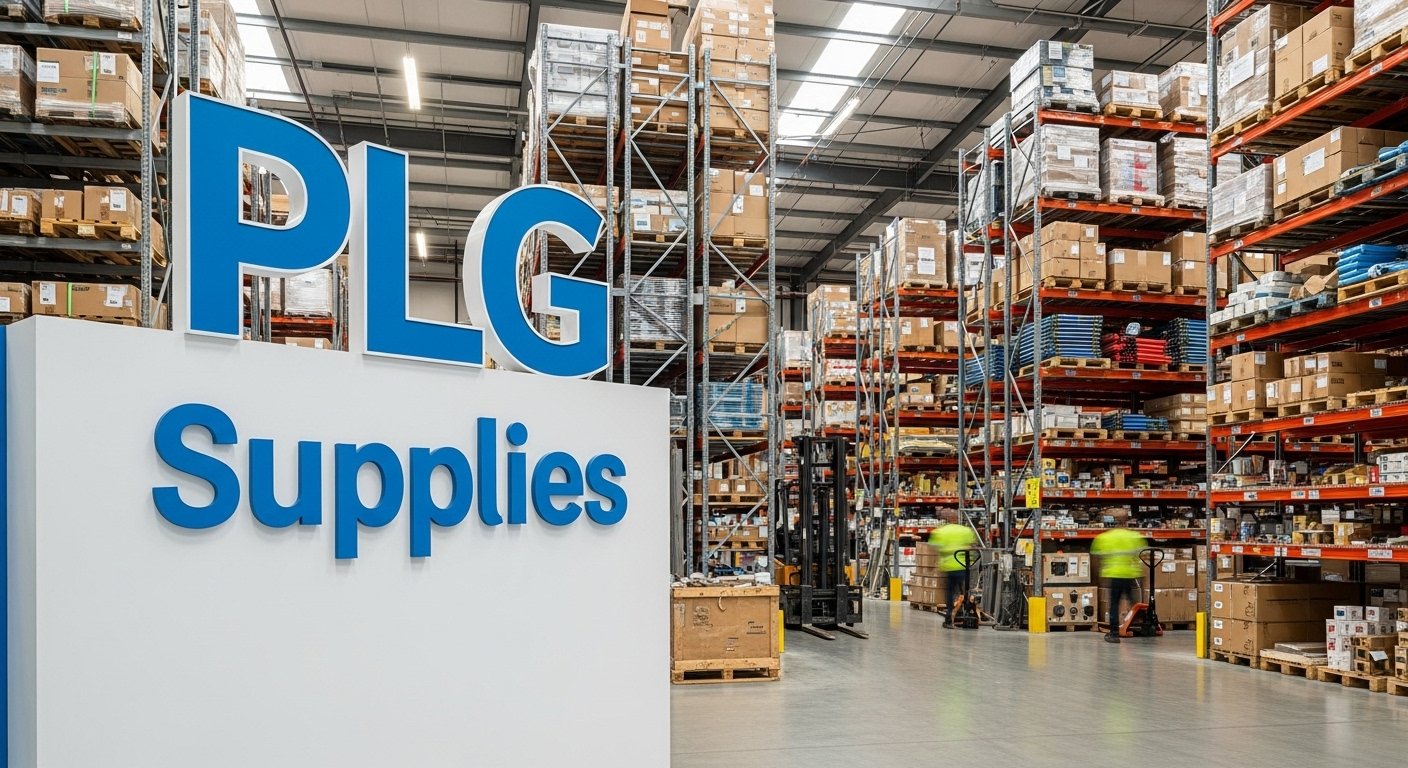
In today’s fast-paced business world, managing complex procurement needs can become overwhelming. Companies often struggle with inconsistent deliveries, fragmented vendor lists, rising costs, and supply shortages that delay operations and harm productivity. The solution is a centralized supply partner offering trustworthy PLG supplies — including key PLG products, PLG equipment, PLG materials, PLG industrial supplies, and PLG tools and resources — to streamline procurement, optimize workflows, and ensure reliable availability when you need it most.
What Are PLG Supplies?
PLG supplies refer to a wide category of industrial, commercial, and operational products that businesses rely on daily. These supplies include industrial tools and equipment, materials used in construction or facility maintenance, personal protective gear, and essential operational resources. PLG stands for different combinations like Production, Logistics, General or Plumbing, Lighting, General, depending on industry context, but the goal remains the same: to serve businesses with dependable, high-quality supplies across all operational areas.
Core Categories of PLG Supplies
1. PLG Products
These are finished goods and consumables that support a broad range of workplace functions. Examples include safety gear like helmets and gloves, electrical components, cleaning agents, office essentials, and general industrial consumables.
2. PLG Equipment
Heavy-duty tools and machinery components fall under this category. This includes power tools (drills, grinders), industrial machines, material handling systems, and mechanical accessories that drive major operations in factories and job sites.
3. PLG Materials
PLG materials cover raw and processed goods used directly in projects. These include building supplies, plumbing pipes, fasteners, adhesives, insulation, and structural components necessary for construction, manufacturing, and maintenance.
4. PLG Industrial Supplies
This group includes all operational essentials needed to keep facilities functional — janitorial supplies, facility maintenance items, logistics consumables, and other items that support industrial efficiency.
5. PLG Tools and Resources
This category combines both physical tools and digital support resources such as procurement platforms, inventory management systems, and product documentation that help businesses manage supply chains more intelligently.
Why PLG Supplies Matter for Businesses
PLG supplies play a critical role in ensuring operational efficiency, safety compliance, and cost control across industries:
- Operational Continuity: Having the right tools, parts, and materials reduces downtime and prevents delays.
- Safety Compliance: Certified PPE and safety equipment protect workers and help meet regulatory standards.
- Cost Optimization: Centralized supply purchasing and bulk ordering help reduce overall procurement expenses.
- Workflow Efficiency: Integrated procurement platforms and inventory insights improve planning and reduce supply disruptions.
Industry Applications of PLG Supplies
Construction and Engineering
Contractors rely on PLG materials, tools, and safety gear for building projects of all sizes — from structural components and fasteners to protective equipment at job sites.
Manufacturing and Assembly
Factories need reliable equipment, maintenance parts, consumables, and PPE to support production lines and prevent costly machine breakdowns.
Healthcare and Facility Management
From janitorial supplies and sanitizers to medical PPE and equipment, PLG supplies ensure cleanliness, safety, and operational readiness in healthcare settings.
Logistics and Warehousing
Packaging materials, safety tools, storage solutions, and handling equipment streamline operations in logistics hubs and distribution centers.
Commercial and Office Environments
Offices and institutions benefit from PLG supplies through organized workspace essentials, facility maintenance goods, and operational materials that keep businesses running smoothly.
Benefits of Partnering with a PLG Supply Provider
Centralized Sourcing
One supplier can fulfill diverse needs — from industrial tools to office supplies — reducing vendor management complexity.
Reliable Inventory and Fast Delivery
A strong logistics network ensures stock availability and quick shipments, even for urgent requirements.
Competitive Pricing
Bulk procurement contracts and direct manufacturer partnerships make high-quality supplies more affordable.
Customer Support and Custom Solutions
Dedicated support teams help with product selection, technical guidance, and tailored supply kits for specific industry needs.
Frequently Asked Questions (FAQs)
Q1. What does “PLG” stand for in PLG supplies?
Most commonly it stands for Plumbing, Lighting, and General or Production, Logistics, and General supplies — encompassing a wide range of everyday industrial and operational products.
Q2. Are PLG supplies only for large enterprises?
No — both small businesses and large corporations use PLG supplies to simplify procurement, improve safety, and maintain operations efficiently.
Q3. How do PLG supplies improve workplace safety?
By providing certified safety gear like helmets, gloves, masks, and protective clothing that meet industry standards like OSHA and ANSI.
Q4. Can PLG supplies be customized for specific projects?
Yes — many suppliers offer tailored kits or specialized products based on industry requirements and project scope.
Q5. Where can businesses purchase PLG supplies?
PLG supplies are available through dedicated industrial distributors, online catalogs, and wholesale procurement platforms that serve multiple industries.
Conclusion
PLG supplies are the backbone of modern business operations across construction, manufacturing, healthcare, logistics, and commercial environments. By offering a unified source of essential products — from PLG products and PLG equipment to PLG materials, PLG industrial supplies, and PLG tools and resources — they help organizations maintain continuity, enhance safety, and optimize procurement costs. Choosing a trusted PLG supply partner grants businesses not just materials, but strategic support that drives productivity and long-term success.

Internet Chicks: The Rise, Trends, and Influence of Online Content Creators

Delta Flight DL275 Diverted to LAX: Causes, Impact, and Passenger Updates

FintechZoom.com: Your Ultimate Guide to the Latest Fintech News, Trends, and Insights

Social Media Silent Scrollers Traits: Understanding the Hidden Audience Behind Every Post

BMWX4 Review 2026: Features, Luxury, and Performance You Need to Know

Wollmatten: The Ultimate Guide to Choosing, Caring, and Styling Wool Mats for Your Home
-
Social Media2 months ago
Social Media Silent Scrollers Traits: Understanding the Hidden Audience Behind Every Post
-
Blog2 months ago
BMWX4 Review 2026: Features, Luxury, and Performance You Need to Know
-
Lifestyle & Fashion2 months ago
Wollmatten: The Ultimate Guide to Choosing, Caring, and Styling Wool Mats for Your Home
-
 Health2 months ago
Delta Fitness Authority: Your Ultimate Guide to Strength, Performance, and Total Body Transformation
-
 Celebrities2 months ago
Elizabeth Huberdeau: The Untold Story of John Cena’s Former Wife and Her Life Beyond the Spotlight
-
 Lifestyle & Fashion2 months ago
Blazertje: How to Style This Trendy Jacket for Every Season and Occasion
-
 Law2 months ago
Breaking Down Decreto Supremo 160: Key Points and Implications
-
 Technology2 months ago
Chromtex: Exploring Innovative Solutions in Textiles and Industrial Applications